Showing posts with label Nutrition. Show all posts

Thursday, 28 February 2013

Dark chocolate


Numerous studies have shown that dark chocolate, sweet, delicious and rich in flavor, provides numerous health benefits. The secret ingredient is the cocoa that contains many nutrients that are great for your health. The only problem is the bitter taste of cocoa so in making the chocolate are added sugar, butter and milk. All this is great for your taste buds, but not for health.

In order to chocolate you eat be healthy it should contain at least 70% cocoa. Do not exaggerate because even a small amount of dark chocolate does wonders for your health. It is enough just to eat about 200 grams of chocolate a week.

Benefits of dark choclate: 
Healthier heart - swedish researchers conducted a study in which more than 31,000 women took part. Those who consumed moderately dark chocolate had a 3 times lower risk of heart attack. Another study carried out by scientists in Germany has shown that dark chocolate lowers blood pressure and risk of heart attack and stroke by 39%. Research of Australian scientists has shown that dark chocolate helps to healthier weight loss in obese people who are exercising. It is interesting that chocolate contains 5 times more flavonoids than apple.

Weight Loss - Scientists in Denmark have proved that dark chocolate successfully satisfies the craving for sweet, salty and fatty. That way you'll be a lot easier to keep a diet plan for weight loss.

Happier children - mothers who ate dark chocolate during pregnancy stated that they faced better with stress, compared to mothers who did not ate dark chocolate. Also, Finnish researchers have proved that babies of mothers who ate dark chocolate during pregnancy are happier and laugh more.

Diabetes - in a small study by Italian researchers, participants, who are moderately amounts of dark chocolate daily, after 15 days showed a reduced risk of insulin resistance. Flavonoids increase the production of nitric oxide, which helps control the body's sensitivity to insulin.

Stress – American scientists have recently confirmed that stress causes a craving for snacks, especially for chocolate. Best of all is that chocolate reduces levels of stress hormones (cortisol). People who ate in a period of 2 weeks dark chocolate daily had significantly lower levels of cortisol in the body.

Sun protection - British scientists have proven that flavonoids in chocolate have the power to protect against UV rays. After only 3 months of consuming dark chocolate skin need 2 times more sun exposure to lead to the development of skin rashes or burns. People who ate milk chocolate, have not developed resistance to UV rays.

Brain - the next time you're under stress, eat a few squares of dark chocolate. Except that it will reduce your stress level, improve your concentration which is necessary. American  scientists have proved that cocoa stimulates blood flow to key parts of the brain. Effect of cocoa takes 2 to 3 hours, so it is a better choice than coffee. Research of scientists from Norway has shown that people older than 70 years had significantly better cognitive tests if they consume foods rich in flavonoids (cocoa, dark chocolate, red wine).

Cough - recent research by British scientists has shown that eating dark chocolate for a period of 2 weeks significantly reduces the symptoms of chronic cough. Dark chocolate contains theobromine for which scientists claim to have miraculous healing powers. Only 30 grams of dark chocolate contains up to 450 milligrams of theobromine.

Flat belly


Nutrition plays an important role in achieving a flat belly. Regardless of exercise and effort, belly will become flat if don't pay attention to nutrition.

Groceries that will flatten your belly are nuts, beans and other legumes, spinach and other green leafy vegetables, diary products, cereals, eggs, turkey and other lean meat, peanut butter, olive oil, bread and whole grains cereals, protein rich groceries such as whey and berries.

Your body needs protein, healthy fats and healthy carbohydrates. With exercise this is all you need to flatten the belly. Ice cream? You can eat it. Sandwich with grilled meat? It is also an acceptable option.

These foods are the best source of protein, fiber and other nutrients that will help in the fight against fat. In fact, they are so effective that along with exercise will replace fat muscle. The whole diet can be based on these foods, including snacks. Follow these simple steps: at every meal bring in 1-2 groceries and at least 1 to snack, a meal should contain carbohydrates, proteins and fats, each meal should contain proteins.

Except for a flat belly, these groceries are great for overall health. They reduce the risk of various diseases, including cancer, heart diseases, heart attack and stroke.

Nuts - build muscle, reduce cravings for food, fight against obesity, heart disease, increase the percentage of muscle mass, reduce the visibility of wrinkles and regulate your blood pressure.
Beans and other legumes - build muscle, fight against fat, regulate the digestive system, fight against obesity, prevent the occurrence of colon cancer, heart disease and high blood pressure.
Spinach and other green leafy vegetables - reduces the level of free radicals, which increase the risk of various diseases and accelerate the aging process, prevent cancer, heart disease, obesity and osteoporosis.
Dairy products - build and strengthen bones, help you lose weight, prevent osteoporosis and obesity, regulate your blood pressure and help prevent cancer.
Cereals - increase energy levels, regulate blood sugar and cholesterol levels, prevent heart disease, diabetes, colon cancer and obesity.
Eggs - build muscles, consume fat and fight against obesity.
Turkey and other lean meats - build muscles, strengthen the immune system, fight against obesity and prevent different diseases.
Peanut butter - increases testosterone levels, build muscle, consume fat, prevents obesity, promotes weight loss, reduces the visibility of wrinkles and prevents heart disease.
Olive oil - regulates cholesterol levels, strengthens the immune system, fights against obesity, reduce the risk of cancer, heart disease and regulates blood pressure level.
Breads and whole grains cereals - prevent storage of fat, fight against obesity, prevent cancer, regulate blood pressure levels and reduce the risk of heart disease.
Whey - builds muscles, consumes fat and fight against obesity.
Berries - protects the heart and eyesight, improve balance, coordination and short-term memory, preventing cravings for food, reduce the risk of heart disease, cancer and obesity.

Wednesday, 20 February 2013

Tomato - five useful benefits


1. Maintains healthy bones - except it helps your bones, tomato protects the blood vessels supplying the body with nearly 18 percent of the daily requirement for vitamin K. Deficiency in this vitamin, although it is not very common, can be the result of longterm use of antibiotics, and is characterized by bruises on the skin. Vitamin K is stored in fat tissue and helps bind calcium to your bones. It also helps blood clotting.
2. Helps maintaining low blood pressure - a good source of potassium citrate, tomatoes helps lower blood pressure. With 11.4 percent of the daily requirement for potassium, eating tomatoes is easy and inexpensive way to combat high blood pressure with food  rather than supplements and drugs. Lack of potassium may be reflected in a loss of energy, muscle cramps and irregular heartbeat.
3. Lowers cholesterol - some components of tomatoes, like licopene, helps reduce the bad and increase the good cholesterol in the body. One of the benefits of eating tomatoes is that it is the only fruit that retains the essential components like licopene after cooking. In a way, it becomes even more nutritious after cooking, because all the useful ingredients are easily transported into the body.
4. Maintains healthy eyes - eye diseases such as cataracts and macular degeneration, are closely related to diet, and tomatoes are rich in vitamins and minerals which maintain healthy vision. With high content of vitamins E, A and C, as well as copper, are a good choice if you want to have healthy eyes, but also contain several secret ingredients that make them a superfood. Tomatoes in fact, contains antioxidants lutein and zeaxanthin, which protect the eye from a variety of light damage. The human body can not synthesize these components, therefore, must be taken in through food.
5. Benefits of licopene – except that helps in the fight against heart disease and cancer, licopene along with other phytochemicals in tomatoes improves a complete health profile. No matter what your current needs are, adding tomatoes in your daily diet is a good way to preserve the health of the organism.

Six interesting facts about asparagus


1. How it all began - Chinese appreciated asparagus more than 5000 years ago. They used them mainly as a remedy for coughs and bladder problems. The asparagus as a delicious ingredient among the first to start enjoying were Romans. Then in Europe mainly were forgotten until they are in the 18th century remembered by Louis XIV.
2. Types of Asparagus - There are nearly 300 different types of asparagus but only 20 species are edible. Most of them are green, but popular are also yellow asparagus that grow below ground and are sold in cans. White asparagus have nutty-sweet top and bitter stem. Green asparagus are aromatic and they do not need to be peeled. There are also pink asparagus that are high in sugar.
3. How to identify fresh asparagus - Asparagus quickly lose their freshness for which it is best to buy from local producers. Places where they are cut should be moist and glistening. The stems must be robust and resistant to bending and asparagus in general should not smell sour.
4. Asparagus Season - Asparagus is best in the spring. Harvesting begins in March and April and can last until July. Since white asparagus seek solely heat (sun is not necessary because they grow underground), they are grown mainly in heated, controlled conditions.
5. Asparagus in the kitchen - Asparagus can be cooked, prepared on steam or grilled, fried or baked in the oven. They can even be eaten raw, although the distinctive flavor is released only at high temperatures. Fresh asparagus consist primarily of water (93%) and in 100 gr is just 20 calories. The asparagus also contains important vitamins and minerals such as potassium, phosphorus, calcium, vitamin A, B1, B2, C, E and folic acid. Green asparagus are healthier than white.
6. Asparagus as a medicine and aphrodisiac - It is known that the asparagus as a drug were used by most famous ancient physician Hippocrates and Dioscorides, a physician in the army of the Roman Emperor Nero. Asparagus were used for treating jaundice, and as a laxative and diuretic. Role in medicine was lost somewhere in the 19th century, but they are still one of the best known natural aphrodisiacs.

Ten facts about eggs


1. Egg shell is composed of calcium carbonate, which is also the main ingredient in antacids, stomach acid compounds. The shell consists of 9 to 12 percent of the total weight of the egg, and contains pores that allow oxygen and expulsion of carbon dioxide.
2. Egg white consists mainly of protein albumen, and also contains niacin (vitamin B3), riboflavin (vitamin B2), chlorine, magnesium, potassium, sodium and sulfur. The egg white contains about 57 percent of the total share of proteins in the egg.
3. Yolk color is determined by the food consumed by chicken. The more yellow and orange pigments in grains that feed the chickens, it will be clearer color egg yolks.
4. Other colors in egg vary depending on its age and other factors. Egg whites are an indicator of how the egg is fresh. Pink or colorful egg whites show that the egg is rotten, and such eggs should be avoided.
5. Blood that can sometimes be seen in the egg comes from a small puncture in blood vessels in the yolk. But that does not mean that such an egg is not safe to eat.
6. Color of chicken sets the color of egg. White chickens are the most common type in the United States and they brood white eggs, while in Europe are more often chicken with brown feathers, and there dominate such eggs. No significant differences exist in quality.
7. It takes 24 to 26 hours that chicken broods the eggs. Eggshell is created in the chickens uterus. About 30 minutes after brooding, the process begins again.
8. The average chicken broods 250 to 270 eggs a year. Roughly 75 billion eggs is produced in the U.S. each year, 10 percent of world production. China is the world's biggest producer of eggs, and they annually produce 390 billion, or half of the world production.
9. Turkey brood eggs too, but it's harder to find their eggs in the market. Turkeys need more space to nest, so having them is not cost-effective, and also have strong maternal instincts than chickens.
10. Dinosaur eggs helped to solve the old riddle which was first. Canadian researchers have claimed that the egg came before the chicken, because dinosaurs formed nests and layed down eggs long before birds evolved.

Tuesday, 19 February 2013

Food alergies

Immune system is designed to protect body from harmful invaders, such as bacteria. Sometimes, however, the system responds to substances normally considered harmless. The substance that provokes the attack is called an allergen; the substances that attack the allergen are called antibodies.

A food allergy can provoke such a response as your body releases antibodies to attack specific proteins in food. 

Body reacts to an allergen in one of two ways:
• immediate reactions are more dangerous because they involve a fast swelling of tissue, sometimes within seconds after contact with the offending food.
• delayed reactions, which may occur as long as 24 to 48 hours after you’ve been exposed to the offending food, are usually much milder, perhaps a slight cough or nasal congestion caused by swollen tissues.

A tendency toward allergies is inherited. If one of your parents has a food allergy, your risk of having the same problem is two times higher than if neither of your parents were allergic to foods. If both parents have food allergies, your risk is four times higher.

More than 90 % of all allergic reactions to foods are caused by just eight foods: milk, eggs, peanuts, tree nuts, soybean-based foods, wheat, fish, shellfish.

Food aditives


Food additives are substances added to food. Food additives may be natural or synthetic.


Most bread and grain products are fortified with added B vitamins, plus iron and other essential minerals to
replace what’s lost when whole grains are milled into white flour for white bread. Some nutrients also are useful preservatives. For example, vitamin C is an antioxidant that slows food spoilage and prevents destructive chemical reactions. Manufacturers must add a form of vitamin C (isoascorbic acid) to bacon to prevent the formation of potentially cancer-causing compounds.

Coloring agents make food look better. An example of a natural coloring agent is beta carotene, the natural yellow pigment in many fruits and vegetables. Beta carotene is used to make margarine (which is naturally white) look like creamy yellow butter.

Artificial flavoring agents reproduce natural flavors. Flavor enhancers intensify a food’s natural flavor instead of adding a new one. The best-known flavor enhancer is monosodium glutamate (MSG), which is widely used in Asian foods. MSG may trigger headaches and other symptoms in people sensitive to the seasoning.

All preservative techniques (cooking, chilling, canning, freezing, drying) prevent spoilage either by slowing the growth of the organisms that live on food or by protecting the food from the effects of oxygen. Chemical preservatives do essentially the same thing:
• antimicrobials are natural or synthetic preservatives that protect food by slowing the growth of bacteria, molds, and yeasts.
• antioxidants are natural or synthetic preservatives that protect food by preventing food molecules from combining with oxygen (air).

The safety of any chemical approved for use as a food additive is based on whether it is toxic, carcinogenic or allergenic.

Allergens are substances that trigger allergic reactions. Some foods, such as peanuts, contain natural allergens that can provoke fatal allergic reactions.
The best-known example of an allergenic food additive is sulfites, a group of preservatives that:
• keep light-colored fruits and vegetables (apples, potatoes) from browning when exposed to air
• prevent shellfish (shrimp and lobster) from developing black spots
• reduce the growth of bacteria in fermenting wine and beer
• bleach food starches
• make dough easier to handle

The following is a list of foods that may contain sulfites: beer, maraschino cherries, cakes, cookies, pies, molasses, cider (hard), potatoes (dehydrated, pre-cut, peeled fresh), condiments, shrimp, dried fruit, soup mixes, fruit juices, tea, jams and jellies, vegetables (canned), gravy, vegetable juices, wine.
Sulfites are safe for most people but not for all. For people sensitive to sulfites, even infinitesimally small amounts may trigger a serious allergic reaction, and asthmatics may develop breathing problems by simply inhaling fumes from sulfite-treated foods.

Food pyramid

Food pyramid

Food pyramids are comprised of building blocks for grown-ups. The essential message of all good guides to healthful food choices is that no one food is either good or bad — how much and how often you eat a food is what counts.


Food pyramid delivers three important messages:
• variety: the fact that the pyramid contains several blocks tells you that no single food gives you all the nutrients you need.
• moderation: having blocks smaller than others tells you that although every food is valuable, some — such as fats and sweets — are best consumed in small amounts.
• balance: you can’t build a pyramid with a set of identical blocks. Blocks of different sizes show that a healthful diet is balanced: the right amount from each food group.

Monday, 18 February 2013

Phosphorus


Like calcium, phosphorus is essential for strong bones and teeth. Phosphorus also enables a cell to transmit the genetic code (genes and chromosomes that carry information about your special characteristics) to the new cells created when a cell divides and reproduces. In addition, phosphorus: 

  • helps maintain the pH balance of blood (that is, keeps it from being too acidic or too alkaline)
  • is vital for metabolizing carbohydrates, synthesizing proteins, and ferrying fats and fatty acids among tissues and organs
  • is part of myelin, the fatty sheath that surrounds and protects each nerve cell

Best sources of phosphorus are meat, fish, poultry, eggs, and milk. Grains, nuts, seeds, and dry beans also provide respectable amounts.

Saturday, 16 February 2013

Miracle food


1. Apples and pears: reduce the level of cholesterol in your blood; help the digestion; have lots of vitamins and minerals, like vitamin C, calcium, magnesium, phosphorus, potassium; fortify the immune system; have an anti-inflammatory effect; help you regain your strength.

2. Bananas: rich in proteins and potassium; have high energizing value; help you fight against insomnia, depression and premenstrual problems; have anti-oxidants, beta-carotene and vitamin C; have vitamin B6, which helps prevent heart diseases and helps the nervous system; excellent food for recovering periods because they are easy to digest; diminish the unpleasant diarrhea symptoms.

3. Fish: helps your memory and other brain functions; prevents heart diseases; prevents the apparition of blood clots; reduces the risk of cancer; reduces the risk of strokes; helps diminish the effects of arthritis; it is used in treating skin diseases like psoriasis, dermatitis, etc; it has E vitamin which has an anti-oxidant effect.

4. Beet: fortifies the immune system and help the body get rid of toxins; has a high level of anti-oxidants; stimulates memory and concentration; fortifies the kidneys and the liver; prevents the apparition of kidney stones; diminishes the amnesia caused by menstrual problems.

5. Forest fruit: red and black currants, blackberries and bilberries clean the blood and help its circulation; bilberries help in healing kidney, gall bladder and urinary bladder problems; black currants help in healing the breathing disorders; strawberries help in dealing with the wrinkles; help the digestive process; have high levels of anti-oxidants; contribute to cells’ health and regeneration.

6. Broccoli: helps in the detoxification of the body, it prevents the apparition of cancer, breathing disorders and heart diseases; helps fight against depression; maintains the skin’s health.

7. Cabbage: helps fight against stomach problems and indigestion; cabbage juice, drank daily over a long period of time can heal the stomach ulcers; refreshes the skin; cleans up the liver; strengthens the immune system.

8. Carrots: help at the liver’s well being, especially the carrot juice; help the immune system; protect and fortify both the digestive and breathing systems; help in strengthening the teeth, the bones and the hair; help in healing skin diseases; help the vision, especially the night vision; reduce the risk of cancer; have an energizing effect.

9. Bird meat: strengthens the immune system; prevents anemia; has the whole range of B vitamins.

10. Garlic: helps the fight against cold and viral infections; helps in cleaning up the liver; strengthens the immune system; reduces high blood pressure; inhibits tumor development; it is good for breathing problems.

11. Honey: has an anti-septic and energizing effect; strengthens the immune system; has a soothing effect upon one’s psychic condition because of its high concentration of minerals and vitamins.

12. Soy and tofu: rich in vegetable proteins which reduce high blood pressure and the level of cholesterol; help reduce the symptoms of premenstrual syndrome; have an energizing effect, helping you to combat fatigue.

13. Mango and papaya fruit: rich in anti-oxidants; strengthen the immune system; detoxify the body; help strengthening the nails; help the digestion.

14. Beans and lentil: help regulate the menstrual cycle; have iron, potassium, magnesium, selenium, calcium and folic acid; reduce the level of cholesterol; lentil helps regulate the blood pressure.

15. Olive oil: removes the adipose tissue; prevents heart diseases; reduces the high blood pressure and it diminishes the quantity of cholesterol in your blood; helps in preserving the fertility; improves the skin’s aspect.

16. Peppers: rich in C vitamin and beta-carotene; rich in zinc, which strengthens the immune system; prevent the apparition of cancer and strokes; they are energizers; have magnesium; stimulate the digestive process.

17. Sea fruit: clean the body of toxic substances; rich in proteins; rich in potassium, which is good for regulating the blood pressure; help the kidneys and the nervous system.

18. Sunflower seeds: good for the regeneration of cells; reduce the risk of heart diseases; prevent blood clogs; nurture the skin; help the wounds heal, favoring the development of young tissues; clean up the digestive system; help the prostate.

19. Nuts and peanuts: rich in E vitamin, which prevents heart diseases; have B vitamins which fortifies the nervous system; have calcium, which fortifies bones, teeth and hair; prevent skin irritations.

20. Oat: helps the digestion; calms the stomach irritations; stabilizes the level of sugar in your blood, thus being very useful for people suffering from diabetes; prevents sudden changes of mood; evens the level of estrogen; rich in iron, thus preventing the occurrence of anemia.

21. Spinach: has calcium, fortifying the bones, teeth and hair; fortifies the immune system; prevents, calms and heals constipation; reduces the high blood pressure; there’s a connection between the consumption of spinach and improving the eyesight.

22. Tomatoes: help the digestive system hydrate; prevent the blood from thickening, and they prevent heart diseases; prevent masculine infertility and prostate cancer; have the whole range of anti-oxidant vitamins and zinc, thus strengthening the immune system, preventing heart diseases, cancer and strokes; reduce liver inflammation.

23. Garden cress: has anti-oxidant vitamins: beta-carotene, C and A vitamins and a high concentration of zinc; calms breathing problems like colds, sinusitis and pharyngeal infections; reduces the risk of cancer, heart diseases and strokes; has iron which intensifies blood oxygenation and reduces anemia; it’s a natural antibiotic; regulates the blood pressure and it reduces the level of cholesterol in the blood; reduces the stress; strengthens the bones, teeth, muscles, heart and the nervous system; good for skin diseases.

24. Yoghurt: protects the intestines’ and stomach’s health; reduces the sensibility of persons with digestive problems and helps in healing them; prevents bacterium infections; reduces the level of cholesterol in the blood.

Friday, 15 February 2013

Zinc

Functions of zinc:

• DNA synthesis and function
• protein metabolism, wound healing, and growth
• immune function 
• development of sexual organs and bones
• storage, release, and function of insulin
• cell membrane structure and function
• indirect antioxidant as a component of two forms of superoxide dismutase, an enzyme that aids in the prevention of oxidative damage to cells
• slowing the progression of macular degeneration of the eye
• reducing the risk for developing certain forms of cancer

Symptoms of zinc deficiency include an acnelike rash, diarrhea, lack of appetite, reduced sense of taste and smell, and hair loss. In children and adolescents with zinc defi ciency, growth, sexual development and learning ability.

Sources of zinc are beef, fortified breakfast cereals, milk, poultry, and bread, whole grains, peanuts, and legumes (beans).


Wednesday, 13 February 2013

Magnesium

Magnesium is essential for nerve and heart function and aids many enzyme reactions.

Magnesium deficiency causes an irregular heartbeat, sometimes accompanied by weakness, muscle pain, disorientation, and seizures. Adequate magnesium intakes decrease cardiovascular disease risk by decreasing blood pressure by dilating arteries and preventing heart rhythm abnormalities.

Rich sources for magnesium are wheat bran, broccoli, potatoes, squash, beans, nuts, and seeds, milk and meats, hard tap water and coffee.

Calcium

All cells need calcium, but more than 99% of the calcium in the body is used to strengthen bones and teeth. The calcium circulating in the bloodstream supplies the calcium needs of body cells.


Many factors enhance calcium absorption, including:
• Blood levels of parathyroid hormone
• The presence of glucose and lactose in the diet
• The gradual flow (motility) of digestive contents through the intestine

Several factors limit calcium absorption, such as:
• Large amounts of phytic acid in fiber from grains
• Great excess of phosphorus (and possibly magnesium) in the diet
• Polyphenols (tannins) in tea
• Vitamin D deficiency
• Diarrhea
• Old

Calcium is essential for forming and maintaining bones, blood clotting and for muscle contraction, regulating cellular metabolism by influencing the activities of various enzymes and hormonal responses, nerve function.


Calcium is also present in extracellular fluid (the liquid around body cells),
where it performs the following duties:

• Regulating fluid balance by controlling the flow of water in and out of cells
• Enabling cells to send messages back and forth from one to another
• Keeping muscles moving smoothly and preventing cramping


An adequate amount of calcium is important for controlling high blood pressure. Also, adequate calcium intake can reduce the risk of colon cancer, kidney stones, hypertension, high blood cholesterol, obesity.

Calcium sources are milk, cheese (except cottage cheese), bread, rolls, crackers, spinach, broccoli, sardines, and canned salmon.

Potassium

Functions of potassium are fluid balance and nerve impulse transmission. Increasing potassium intake is associated with lower rather than higher blood pressure values. We absorb about 90% of the potassium we eat.

Low blood potassium is a life-threatening problem. Symptoms often include a loss of appetite, muscle cramps, confusion, and constipation. Eventually, the heart beats irregularly, which decreases its capacity to pump blood.

Sources of potassium are milk, potatoes, beef, coffee, tomatoes, orange juice.

Sunday, 10 February 2013

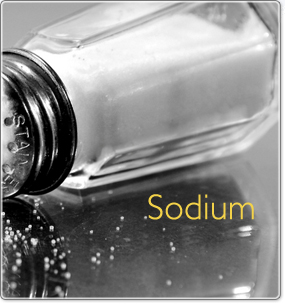
Sodium

Sodium is a major mineral found in the fluid surrounding the cells in your body where it helps to regulate blood pressure and fluid volume, and it also helps maintain pH balance. Your muscles and nervous system also need sodium to function properly.


The human body absorbs almost all sodium that gets eaten. Once absorbed, sodium becomes the major positive ion outside of cells in extracellular fluid and a key factor for retaining body water.


Sodium ions also function in nerve impulse conduction and absorption of some nutrients (e.g., glucose).
A dietary deficiency of sodium is rare. However, when it happens can lead to muscle cramps, nausea, vomiting, dizziness, and later, shock and coma.

The most common form of sodium is table salt, but at least a little bit of sodium occurs naturally in many foods. Significant sources sodium can be found in the majority of processed and preserved foodstuffs. Potato crisps and pretzels, hotdogs, ham and bacon, tomato salsas, ketchup, luncheon meats as well as canned soups are prime examples. Reduced amounts of sodium are present in various meats, poultry, eggs, nut products, fish and shellfish, carrots, beets, artichokes, cauliflower, celery and even dairy products. Given that countless food items that we consume already contain salt, it is not necessary to add even more before eating.


It is suggested in general to reduce sodium intake, mostly to limit the risk of developing high blood pressure later and to prevent calcium loss from your bones. It is recommended to have your blood pressure checked regularly. If you have hypertension, you should try to reduce your sodium intake to 2,400 milligrams per day. 

Photo credit: gaetantremblay.blog.com/2012/01/21/why-is-sodium-or-salt-present-in-vitaminmineral-or-protein-shakes/


Water

Life as we know it could not exist without water. Water is body's principal chemical component and makes up 50%-70% of body weight. Every system in the body depends on water.


Water is the perfect medium for body processes because it enables chemical reactions to occur.
Water temperature changes slowly because it has a great ability to hold heat. It takes much more energy to heat water than it does to heat fat.

When overheated, the body secretes fluids in the form of perspiration, which evaporates through skin pores. To evaporate water, heat energy is required. So, as perspiration evaporates, heat energy is taken from the skin, cooling it in the process.
Water is an important vehicle for transporting substances throughout the body and for removing waste products from the body. Most unusable substances in the body can dissolve in water and exit the body through the urine.
Water helps form the lubricants found in knees and other joints of the body. It is the basis for saliva, bile, and amniotic fluid.

We consume water in various liquids, such as fruit juice, coffee, tea, soft drinks, and water itself. Note that coffee, tea, and soft drinks often contain caffeine, which increases urine output. However, the fluid consumed from these beverages is not completely lost in urine, so these fluids still help to meet water needs. Foods also supply water; many fruits and vegetables are more than 80% water.

If you don’t drink enough water, your body eventually lets you know by signaling thirst. Your brain is communicating the need to drink. Once the body registers a shortage of available water, it increases fluid conservation. The kidneys respond by reducing urine flow. Lack of water can lead to dehydration, a condition that occurs when you don't have enough water in the body to carry out normal functions. Even mild dehydration can drain your energy and make you tired.

Consuming too much water can also lead to ill health, especially if concentrations of blood electrolytes, notably sodium, become too low. When excessive water intake overwhelms the kidneys’ capacity to excrete fluid, blurred vision is one resulting symptom.

Vitamin C


Vitamin C (ascorbic acid) is a water-soluble vitamin, meaning that your body doesn't store it. It is necessary for normal growth and development.
The main role of vitamin C is synthesis of collagen, an important structural component of bone, teeth, tendons, and blood vessels. It is important for wound healing.
Other functions include: antioxidant properties (prevents cancers of the esophagus, mouth, and stomach and cataracts in the eye), enhances iron absorption by keeping iron in its most absorbable form, contributes to lower blood pressure values, it is vital for the function of the immune system


Major sources of vitamin C are citrus fruits, kiwi, green and red peppers, tomatoes, cauliflower, broccoli, brussels sprouts, cauliflower, spinach, cabbage, pineapple, strawberries, raspberries, blueberries, cranberries, mango, papayas, watermelon and romaine lettuce. Potatoes, ready-to-eat breakfast cereals, and fortified fruit drinks are also good sources of vitamin C. 
Vitamin C is rapidly lost in processing and cooking as it is unstable in the presence of heat, iron, copper, or oxygen and is water soluble.

Vitamin C deficiency can cause: anemia, bleeding gums, decreased ability to fight infection, decreased wound-healing rate, dry and splitting hair, easy bruising, gingivitis (inflammation of the gums), nosebleeds, possible weight gain because of slowed metabolism, rough, dry, scaly skin, swollen and painful joints, weakened tooth enamel, high blood pressure, gallbladder disease, stroke, some cancers, and atherosclerosis. A severe form of vitamin C deficiency is known as scurvy.

Smoking cigarettes lowers the amount of vitamin C in the body, so smokers are at a higher risk of deficiency.


Vitamin B

B vitamins are a group of water-soluble vitamins that play important roles in cell metabolism. 
The B vitamins are thiamin (B1), riboflavin (B2), niacin (B3), pantothenic acid (B5), vitamin B-6, biotin (B7), folate (B8), and vitamin B-12.
The B vitamins function as coenzymes, small molecules that interact with enzymes to enable the enzymes to function.
B vitamin deficiency symptoms typically occur in the brain and nervous system, skin, and GI tract.

Thiamin (vitamin B-1) is used to help release energy from carbohydrate. The thiamin deficiency disease is called beriberi, a disorder characterized by muscle weakness, loss of appetite, irritability, nervous tingling throughout the body, poor arm and leg coordination, and deep muscle pain in the calves. A person with beriberi often develops an enlarged heart and sometimes severe edema. Beriberi results when glucose, the primary fuel for brain and nerve cells, cannot be metabolized to release energy.
Major sources of thiamin include pork products, whole grains (wheat germ), ready-to-eat breakfast cereals, enriched grains, green beans, milk, orange juice, organ meats, peanuts, dried beans, and seeds.

The coenzyme forms of riboflavin participate in many energy-yielding metabolic pathways. Without it, body can’t digest and use proteins and carbohydrates.
The symptoms associated with riboflavin deficiency include inflammation of the mouth and tongue, dermatitis, cracking of tissue around the corners of the mouth (called cheilosis), various eye disorders, sensitivity to the sun, and confusion.
Riboflavin deficiencies probably do not exist by themselves. Instead, a riboflavin deficiency would occur with deficiencies of niacin, thiamin, and vitamin B-6 because these nutrients often occur in the same foods.
Major sources of riboflavin are milk and milk products, enriched grains, ready-to-eat breakfast cereals, meat, and eggs. Vegetables such as asparagus, broccoli, spinach are also good sources.

The coenzyme forms of niacin function in many cellular metabolic pathways. In general, when energy is being released from the energy nutrients and used by cells, a niacin coenzyme is used. The group of niacin deficiency symptoms is known as pellagra, which means rough or painful skin. The symptoms of the disease are dementia, diarrhea, and dermatitis (especially on areas of skin exposed to the sun). Later, death often results. Early symptoms include poor appetite weight loss, and weakness. 
Major sources of niacin are poultry, ready-to-eat breakfast cereals, beef, wheat bran, tuna and other fish, asparagus, peanuts. Coffee and tea also contribute some niacin to the diet. Niacin is heat stable; little is lost in cooking.

Pantothenic acid helps release energy from carbohydrates, fats, and protein. Pantothenic acid is so widespread in foods that a nutritional defi ciency among healthy people who eat varied diets is unlikely. 
Rich sources of pantothenic acid are sunflower seeds, mushrooms, peanuts, and eggs. Other sources are meat, milk and many vegetables.

In its coenzyme form, biotin aids in fat and carbohydrate metabolism. Symptoms of biotin deficiency include a scaly inflammation of the skin,
changes in the tongue and lips, decreased appetite, nausea, vomiting, a form of anemia, depression, muscle pain and weakness, and poor growth.
Cauliflower, egg yolks, peanuts, and cheese are good sources of biotin.
Intestinal bacteria synthesize and supply some biotin, making a biotin deficiency unlikely.

The coenzymes of vitamin B-6 are needed for the activity of many enzymes involvedin carbohydrate, protein, and fat metabolism. Vitamin B-6 is needed in many areas of metabolism, so a deficiency results in widespread symptoms, such as depression, vomiting, skin disorders, irritation of the nerves, and impaired immune response. Another important role of vitamin B-6 is the synthesis of many neurotransmitters. The vitamin B-6 coenzyme is important for the synthesis of hemoglobin and its function as the oxygen-carrying part of the red blood cell. Vitamin B-6 is also necessary for the synthesis of white blood cells, which perform a major role in the immune system. Major sources of vitamin B-6 are animal products, ready-to-eat breakfast cereals, potatoes,
and milk. Other sources are fruits and vegetables such as bananas, cantaloupes, broccoli and spinach. 

Folic acid is the synthetic chemical form added to foods and present in supplements. Folic acid is more readily absorbed than natural forms of folate. A key role of the folate coenzymes is to supply or accept single carbon compounds.
Green, leafy vegetables, organ meats, sprouts, other vegetables, dried beans, and orange juice are the richest sources of folate. The vitamin C in orange juice also reduces folate destruction. Ready-to-eat breakfast cereals, milk, and bread also are important sources of folate for many adults.
Folate is susceptible to destruction by heat. Food processing and preparation destroy 50% to 90% of the folate in food.
Pregnant women need extra folate (a total of 600 micrograms DFE) to accommodate the increased rates of cell division and DNA synthesis in their own bodies and in the developing fetus.

Vitamin B-12 represents a family of compounds that contain the mineral cobalt. All vitamin B-12 compounds are synthesized by bacteria, fungi, and other lower organisms. Vitamin B-12 participates in a variety of cellular processes. The most important function is in folate metabolism. Vitamin B-12 is required to convert folate coenzymes to the active forms needed for metabolic reactions, such as DNA synthesis.
Without vitamin B-12, reactions that require certain active forms of folate
do not take place in the cell. Thus, a vitamin B-12 deficiency can result
in symptoms of a folate deficiency. Another vital function of vitamin
B-12 is maintaining the myelin sheaths that insulate neurons from each
other. People with vitamin B-12 deficiencies have destruction of segments
of the myelin sheaths. This destruction eventually causes paralysis
and, perhaps, death. Vitamin B-12 also participates in homocysteine
metabolism and certain minor metabolic pathways. In the past, the inability to absorb enough vitamin B-12 eventually led to death, mainly because it destroyed nerves. This phenomenon was called pernicious anemia. Some symptoms of pernicious anemia include weakness, sore tongue, back pain, apathy, and tingling in the extremities. 
Major sources of vitamin B-12 include meat, milk, ready-to-eat breakfast cereals, poultry, seafood, and eggs. Organ meats (especially liver, kidneys, and heart) are especially rich sources of vitamin B-12.

Vitamin K

Vitamin K is known as the clotting vitamin, because its main role is in helping blood clot, or coagulate, properly. Other functions are: protection of bones from fracture, protection against liver and prostate cancer, preventing postmenopausal bone loss, calcification of arteries. 

It is rare to have a vitamin K deficiency. It occurs when the body can't properly absorb the vitamin from the intestinal tract and after long-term treatment with antibiotics.

People with vitamin K deficiency are usually more likely to have: excessive bleeding (heavy menstrual bleeding, gum bleeding, bleeding within the digestive tract, or nosebleeding, Easy bruising), problems with calcification of the blood vessels or heart valves, problems with bone fracture or bone weakening.

The human body gets vitamin K from certain foods and from bacteria that normally live in the intestines.

Major food sources of vitamin K: 
1. green leafy vegetables, such as kale, spinach, turnip greens, collards, swiss chard, mustard greens, parsley, romaine, and green leaf lettuce
2. vegetables such as brussels sprouts, broccoli, cauliflower, and cabbage
3. fish, liver, meat, eggs, and cereals (contain smaller amounts)


Vitamin K may play a role in treating: anticoagulant therapy, bone fracture, chronic liver disease, cystic fibrosis, hardening of the arteries, inflammatory bowel disease, liver and pancreatic cancer, kidney stones, nausea and vomiting during pregnancy, bone loss, osteoporosis, thrombosis, Alzheimer's, heart diseases.

Saturday, 9 February 2013

Vitamin E


Vitamin E is a family of fat-soluble vitamins that are active throughout the body, i.e. a family of 4 tocopherols (alpha tocopherol, beta tocopherol, gamma tocopherol, and delta tocopherol).
Other members of the vitamin E family are called tocotrienols (alpha, beta, gamma, and delta tocotrienol). 

The most important function of vitamin E is antioxidant function, helping to protect cells from the damage caused by free radicals. Other functions include:
  • protect your skin from ultraviolet light
  • allow your cells to communicate effectively
  • help protect against prostate cancer and Alzheimer's disease
Major sources of vitamin E are plant oils, cereals, asparagus, tomatoes, and green leafy vegetables, eggs, margarine, whole grains, almonds, hazelnuts, avocados, broccoli, pumpkin and sunflower seeds. It is also available as a supplement.


Vitamin E deficiency is very rare in healthy people, usually occur in people with certain genetic disorders and in very low-weight premature infants. Vitamin E deficiency can cause: spinocerebellar ataxia, myopathies, nerve and muscle damage that results in loss of feeling in the arms and legs, loss of body movement control, muscle weakness, vision problems, weakened immune system, red blood cell destruction.